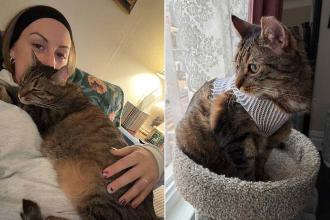
Photographer Chieko Shiraishi has spent the last few years visiting and documenting 17 cat islands in Japan. Not just the famous ones such as Aoshima and Tashirojima, but also the quiet, out-of-the-way islands that don’t show up in most travel guides.
But while Japan’s cat islands look simple on Instagram, actually visiting them takes a bit of planning. Ferries don’t run often, some islands have no accommodation at all, and a “quick visit” can easily turn into a full-day detour if you get the timing wrong.
This comprehensive travel guide breaks down the practical details you need before you go: ferry access, transportation routes from major cities, accommodation options (or lack thereof), and what you can realistically expect on each island. Whether you’re building a multi-stop Japan itinerary or planning a dedicated cat island trip, this guide will help you compare your options, manage your time, and avoid costly mistakes.
If you’re considering visiting Japan’s cat islands, use this as your step-by-step planning resource before booking ferries, reserving hotels, or finalizing your route.
This is a guest post by Chieko Shiraishi.
Japan’s cat islands at a glance
- Best cat island overall: Sanagijima
- Easiest day trip: Ainoshima (from Hakata)
- Best for overnight stay: Sanagijima
- Cheapest to visit: Ainoshima
- Requires most planning: Yushima
- Best season to visit: Spring and autumn
Ferry schedules, railway passes, and things to know before you go
Planning your ferry trip to Japan’s remote islands
Ferries to Japan’s smaller islands don’t run often. On some routes, there may even be no service for several days at a time. If you miss the return ferry, you could be stuck on the island until the next sailing. Many islands have no accommodation, and some don’t even have shops where you can buy food or water.
Weather can also cancel ferries at short notice, especially outside summer. Since getting to the ferry port itself often takes hours, it’s best to check schedules and availability in advance rather than showing up and hoping for the best.
I usually look up routes and schedules through FerryScanner, which covers most lines, and Klook for a few well-served routes. That said, some ferries still sell tickets only at the port, often from cash-only counters, so arrive early and bring enough cash just in case.
If you’re planning to travel between regions, it’s worth sorting out your rail passes before you arrive in Japan. Buying in advance is usually easier, and it saves you from figuring things out at busy stations once you’re already on the move. (I get mine HERE.)
TNR and Changing Conditions
Many islands now practice TNR, and due to aging populations and depopulation, conditions on the islands—and the cats’ lives—can change dramatically in just a year.
If there’s an island you’re interested in visiting and you’re hoping to see the classic image of an island filled with cats, it’s best to go sooner rather than later.
These are the best cat islands in Japan to visit + hotels, ferries, and what to expect
Among the islands commonly referred to as “cat islands”—places where there are many cats, the cats are friendly toward people, the local residents see them as a tourism asset, and they are well cared for, well fed, and have healthy coats—I’d like to highlight a few that I have personally visited and can genuinely recommend.
Sanagijima
If I could recommend only one cat island in Japan, it would be Sanagijima.
There’s only one accommodation on the island, housed in a former elementary school building. The facility is beautifully maintained, and each room is decorated with teaching materials that were once used at the school, which I think international visitors would especially enjoy.
Guests can have dinner and breakfast at the on-site café, which is also open for lunch.
Staying overnight there is an experience in itself. The hostel’s Instagram account features many beautiful photos of the accommodation, and a number of cats live in the courtyard. Depending on the season, you may even be able to meet kittens.
As a Seto Inland Sea island, the sea is calm and exceptionally beautiful.
Where?
Kagawa Prefecture
How to get there?
From Takamatsu, take a train for about 1 hour to Tadotsu Station, then walk to Tadotsu Port.
Ferries run four times a day, and the journey to the island takes about 1 hour.
Where to stay
Tashirojima
While most famous cat islands are concentrated in western Japan, Tashirojima is arguably the only well-known cat island in the Tohoku region.
In addition to the area around the port, many cats can also be found at a facility inland called Island Station, which includes a café.
The island is located in an area affected by the Great East Japan Earthquake and tsunami, and I strongly encourage visitors to learn about what happened here during the disaster as part of their visit.
My most unforgettable moment on a cat island also happened on Tashirojima. I met an older fisherman at the port and spent half a day sitting with him, listening as he talked about cats, fishing, and everyday life on the island. He also shared his experience of being caught in the tsunami during the earthquake. It was an incredibly moving and meaningful experience. I’ve returned to Tashirojima twice since then, simply because I wanted to see him again.
Where?
Miyagi Prefecture
How to get there?
From Sendai, ride the train for about 1.5 hours to Ishinomaki Station.
From there, it’s about a 15-minute walk to the ferry terminal, followed by a roughly 45-minute boat ride.
Ferries run three times a day.
Where to stay
Many of the island’s traditional guesthouses have closed, but during the summer season, a campsite called Manga Island operates, where visitors can rent cottages.
📍 Check out this older guide to Tashirojima.
Ainoshima
Ainoshima is relatively easy to reach from the major city of Hakata. There are a few minshuku and guesthouses on the island, and while not numerous, there are several places to eat as well.
Where?
Fukuoka Prefecture
How to get there?
From Hakata, take a train for about 20 minutes to Fukōdaimae Station, then a bus to Shingu Fishing Port.
From there, it’s about a 20-minute ferry ride to the island.
Ferries run five to six times a day.
You can also take this guided tour from Hakata to Ainoshima. It handles all the transport and logistics for you and includes train, bus, and ferry transport, so you don’t have to worry about schedules or connections.
Kakarajima
Although Kakarajima is part of Saga Prefecture, I think it’s easier to access via Fukuoka Airport or Hakata Station, taking a bus to Karatsu.
The island has only one minshuku (traditional guesthouse) and a café. There are many cats around the port, and when the ferry arrives, they gather to greet it. They are very friendly, and I found it adorable that several cats followed me around everywhere I went.
Yobuko, where the ferry departs, is famous for its morning market and squid dishes. There are many restaurants serving squid, but many of them sell out and close by early afternoon, so without a reservation it may be difficult to try them.
Where?
Saga Prefecture
How to get there?
Take the bus from Karatsu to Yobuko (about 1 hour), then a ferry from the port (about 20 minutes).
There are 4 ferries per day.
Where to stay
I have not personally stayed at the island’s only minshuku, Yuusuge, but it is known for its excellent seafood. Unfortunately, I don’t know whether reservations can be made in languages other than Japanese.
The minshuku’s café is also popular for its dishes and sweets made with local ingredients, and apparently the cats often come by to visit as well.
Enoshima
Enoshima is the cat island closest to Tokyo. You can walk across the bridge from the station to reach the island.
This island in Japan is a very popular tourist destination with plenty to see and do, including the Enoshima Aquarium, Enoshima Shrine, an observation tower, and enjoying street food along Nakamise Street.
However, according to local residents, the number of cats has decreased significantly compared to the past, but you can still spot them here and there.
Where?
Kanagawa Prefecture
How to get there?
The island can be reached on foot from stations on the Enoden Line, Shonan Monorail, or Odakyu Line. It takes about 1.5–2 hours from Shibuya.
For a stress-free coastal adventure from Tokyo, book this guided Kamakura & Enoshima day trip. It includes round-trip transport with the scenic Enoden train ride, and a guide to take you from the Great Buddha to Enoshima Island without any planning on your part
Yushima
This island is another place where you can meet many cats. Access is not the easiest, but the scenery from the bus ride to the port is beautiful. The cats live freely and seem very happy, which is one of the reasons I love this island so much. The residents are also incredibly kind.
Where?
Kumamoto Prefecture
How to get there?
This island in Japan is about 1.5 hours by bus from Kumamoto Station, then a 10-minute walk to the port, followed by a 30-minute ferry ride.
Islands not recommended as “cat islands”
Aoshima (Ehime Prefecture)
Aoshima once attracted huge numbers of tourists after being featured overseas, but today both the human population and the number of cats have declined significantly, and the island is slowly reaching the end of its life as an inhabited island.
Most of the remaining cats are elderly. While the island has an interesting history, anyone visiting with expectations shaped by old photos of cats crowding the island will, unfortunately, be disappointed.
If you want to have an idea of what the island is like today, check out Katherine Longly’s photography project about Aoshima. (By the way, I met Katherine on Aoshima, helped with her research, and spoke with her about her work.)
How to get there?
If you’re hoping to see the classic image of an island filled with cats, I recommend visiting as soon as possible. To do so, you can take the ferry to Aoshima from Nagahama Port in Ōzu City (Ehime Prefecture).
Taketomi Island (Okinawa Prefecture)
When I visited in 2024, I already encountered far fewer cats than expected, and more recently I have heard reports from people who didn’t see any cats at all.
I do not recommend visiting Taketomi as a “cat island.” That said, I want to emphasize that it is still a wonderful island well worth visiting. The white sand paths, stone walls, and traditional houses create a landscape that has been carefully preserved by the island’s residents.
As a popular tourist destination, it also has many hotels and minshuku. While a day trip from Ishigaki Island is possible, I strongly recommend staying overnight.
After the last ferry departed and the island grew quiet, I felt the presence of the gods in many corners of this island. Guided there by cats, I feel that I discovered a place that is deeply important to me.
How to get there?
Taketomi Island is about 15 minutes by ferry from Ishigaki Port Ferry Terminal.
You can also skip the stress of planning and join a full-day guided tour from Ishigaki Port, with stops at Taketomi and several other Japanese islands. All transport and stops are included.
Genkaijima (Fukuoka Prefecture)
Genkaijima is a scenic island with convenient access—about 30 minutes by ferry from Hakata, a major city.
However, if you are visiting specifically as a cat island, I would recommend choosing another destination.
In 2024, there were around a dozen cats near the port, but they did not appear to have enough food. Residents were cleaning fish for fishing bait and giving the heads and tails to the cats, and one woman I spoke with kindly gave me some locally harvested wakame seaweed as I was leaving. Overall, the people were very warm and generous.
That said, the cats—stealing drying fish and leaving waste around the island—seem to be regarded as a nuisance. I do not blame the residents for this; I believe there are circumstances that only those who live there can truly understand.
What mistakes do most tourists make when visiting cat islands?
One of the most common mistakes tourists make is feeding the cats without permission. On many islands in Japan, local residents manage the cats’ health. Visitors may give food or treats—such as Churu, a popular paste-style snack—because the cats seem happy, but when many people do this repeatedly, it can harm the cats’ health. Leaving food behind can also worsen sanitation, and littering is, of course, unacceptable.
On some islands, toys are also prohibited. It’s a good idea to check the posted rules at the port or other entry points when you arrive.
There have also been cases of visitors chasing cats and wandering onto private property. I always try to remember that I am a guest in the islanders’ living space. When I meet local residents, I make a point of greeting them with a simple “hello.” As long as visitors show respect for the people who live there, they are usually welcomed warmly in return.
If you’d like to support the cats in a responsible way, consider donating to the collection boxes often found at island facilities, or giving supplies directly to the caretakers or facility staff who look after the cats.
Why I started visiting Japan’s cat islands
In 2020, during the COVID-19 pandemic, when my children’s schools were closed, I suddenly felt the urge to get a cat. I had just quit my previous job and was at home, and there was absolutely no clarity about how my children’s education and life experiences would unfold. I hoped that living closely with an animal might have a positive influence on them.
Up until then, my family had always had dogs at my parents’ home, so I considered myself more of a “dog person.” Photography had long been a hobby of mine, and I occasionally took photos of cats I came across in town, but I wasn’t especially interested in them. That all changed when we welcomed a kitten into our home, and I completely fell under the spell of cats.
Her name is Orenj, which is the Japanese name for Orange. My younger son, who was in elementary school at the time, gave her that name. She has mostly black fur, but with beautiful patches of brown and orange mixed in. Back then, I didn’t know much about rescue cat activities. I simply felt uncomfortable buying a cat from a pet shop, so I searched online for a breeder and went to meet them in person.
That experience opened my eyes to the world of cats. I began learning about feline behavior, the issue of stray cats, animal abuse, hoarding situations, and TNR (Trap-Neuter-Return) efforts—topics I thought I understood but actually knew very little about. As I learned more, I became increasingly aware of the many issues surrounding cats.
Photographing cats in everyday Japan
I also became much more sensitive to the presence of cats in everyday life. I started carrying my camera everywhere. When I spotted a cat, I would approach gently, greet them, pet them if possible, and take photos.
There are actually quite a lot of cats in residential neighborhoods in Tokyo. Thanks to widespread TNR efforts, most of them are “sakura cats,” identifiable by a small notch in one ear (it looks like a cherry blossom petal), and kittens are rarely seen.
I love seeing cats napping peacefully in the middle of town or calmly crossing the street as if they own it. I feel that towns with this kind of “breathing space” for animals are more beautiful places to live. The suburban area of Tokyo where I live, especially neighborhoods with older houses, tends to have more of this kind of space.
Eventually, I discovered several places where I could reliably meet cats whenever I went. I also got to know the people who take care of them. Visiting these cats became a regular habit on my days off and weekends.
My first trips to the cat islands in Japan
Little by little, I learned that Japan has many places known as “cat islands.” At first, I was perfectly content photographing cats in my own neighborhood. But cat islands, I learned, are places where cats are everywhere—no searching required—and they’re famously friendly.
The idea that cats would come right up to you was incredibly appealing. My curiosity grew day by day, and eventually I decided to start traveling alone to visit cat islands.
One of my main references was a travel guide published in 2018 called Island Travel Cats (Shimatabi Neko, Diamond Publishing). Some of the information is outdated now, but it introduces 12 well-known cat islands. Many rural areas in Japan are not easy to access, and this book was extremely helpful because it explained routes in great detail. Back when I knew almost nothing, I would read it late at night, dreaming about visiting cat islands.
My first solo cat island trip was in 2023, to Ainoshima in Fukuoka Prefecture (which I highly recommend for first-time visitors because of its excellent accessibility).
Just as I had heard, cats were everywhere. Even though I wasn’t feeding them, they came right up to me and rubbed against my legs. They got so close that I was too busy petting them to take photos—it was almost a problem. For cat lovers, it truly is paradise. I was instantly hooked.
Falling in love with Japan’s remote islands
I also fell in love with the scenery of Japan’s remote islands. The people you meet are kind, and even the slightly run-down landscapes add to the charm and sense of travel. The beauty of the sunset and sunrise seen from the harbor is something I hope everyone gets to experience.
No matter which island I visit, those moments fill my heart. Visiting one island always makes me want to visit another. Traveling to cat islands has become my life’s work.
My personal cat island tour
When people think of “cat islands,” a few famous names usually come to mind. But in reality, cats are found on most of Japan’s remote islands. Historically, many of these islands depended on fishing, and cats were kept to protect fishing gear from rodents, which led to large cat populations.
So while I have already visited many of the well-known cat islands, if you include those that aren’t officially recognized as “cat islands,” my list is still very, very long. I sometimes wonder if it’s even possible to visit them all in my lifetime, but I continue researching my next destination with enthusiasm.
In 2024, I was traveling to cat islands about once a month. Because I have two sons, I still can’t be away from home for long, so I set a rule that each trip would be just one night. Many cat islands are located in western Japan—Shikoku, Kyushu, and Okinawa—so I usually fly to a local airport, then take trains or buses to a port, and finally a ferry to the island. Some destinations require nearly a full day of travel just to get there.
So far, I’ve visited 17 islands. In addition, I have one more trip planned for March. And since the islands with cats is almost endless, I don’t expect to run out of destinations anytime soon. There are also many islands I’d love to revisit, although realistically I don’t always have the time to do so.
Final thoughts
If you visit a place that is well known as a cat island, you will most likely have an enjoyable experience. On islands that aren’t recognized as such, however, even if there are many cats, they may be thin and not appear particularly happy, which can be emotionally difficult to witness. In some cases, tourists who come specifically to see cats may also not be viewed positively by local residents.
Are you planning your own cat islands in Japan tour? Which ones will you be visiting first? Feel free to leave me a comment with any questions you may have regarding your trip.
About the photographer
Born in 1974, Chieko Chiraishi is originally from Niigata and has lived in Tokyo since the age of 18. She works in an administrative role and lives with her husband and their two sons, one in high school and the other in university. Her travels are almost always centered around cats. She particularly loves photographing cat islands and places known for having large cat populations.
The camera she uses most often is the OM SYSTEM OM-5. She also recently bought the OM-1 Mark II, but she hasn’t quite mastered it yet. She finds it useful to have both a telephoto lens and a wide-angle lens. The telephoto lens allows her to capture cats from a distance so she can photograph them in natural, unguarded moments, while the wide-angle lens helps when she wants to include more of the surrounding environment or photograph friendly animals up close.