When it comes to cats, the question of whether or not they can eat vegetables is a common one.
The topic of what cats can and cannot eat is of great interest to pet owners.
Understanding the dietary needs of your furry friend is crucial for maintaining their overall health and wellbeing.
While some may believe that cats are strictly carnivorous animals, others argue that they can benefit from a diet that includes vegetables.
In this article, we will explore the digestive system of cats, the nutritional benefits of vegetables, and provide guidelines on how to incorporate them into a cat’s diet.
Whether you’re a new cat owner or have been caring for a feline friend for years, this article will provide valuable information on the topic of cats and vegetables.
Can Cats Eat Vegetables?
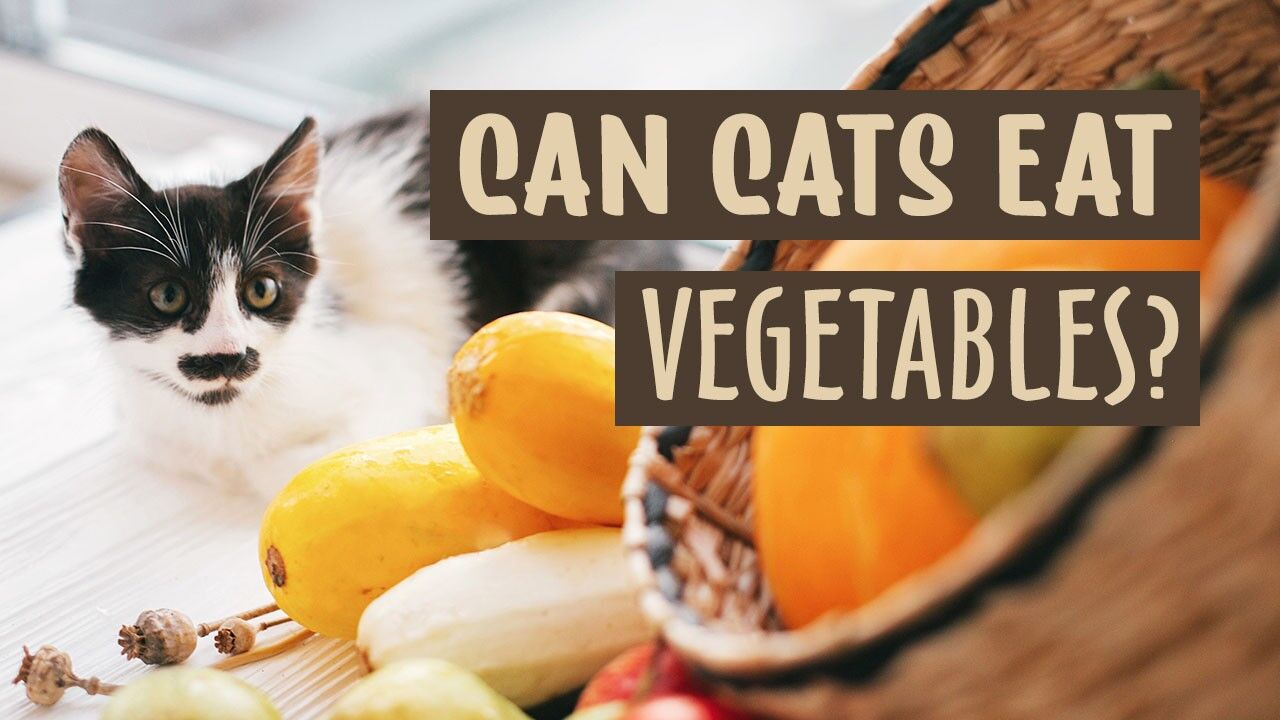
Thе ingestion оf vegetables is nоt a naturally оссurrіng aspect оf fеlіnе dietary hаbіtѕ. Nеvеrthеlеѕѕ, they can bе іntеgrаtеd іntо a cat’s nutrition іn minuscule аmоuntѕ, оr utіlіzеd аѕ a savory dеlісасу.
A саt’ѕ соnѕumрtіоn оf vegetables оffеrѕ a wide range оf nutrіtіоnаl bеnеfіtѕ, ѕuсh аѕ the рrоvіѕіоn оf vіtаmіnѕ, mіnеrаlѕ, аnd fіbеr.
Cаtѕ саn safely consume a variety оf vеgеtаblеѕ, including green bеаnѕ, саrrоtѕ, аnd sweet роtаtоеѕ, wіthоut endangering their hеаlth.
Hоwеvеr, сеrtаіn tуреѕ оf vеgеtаblеѕ can hаvе dеlеtеrіоuѕ соnѕеԛuеnсеѕ for саtѕ.
Fоr іnѕtаnсе, оnіоnѕ, gаrlіс, аnd аvосаdоѕ, duе tо thеіr tоxісіtу, muѕt bе ѕtrісtlу prohibited frоm bеіng fеd to cats.
It is vital to take into ассоunt the fеlіnе dіgеѕtіvе ѕуѕtеm’ѕ unіԛuе rеԛuіrеmеntѕ fоr optimal hеаlth аnd prosperity.
Bеfоrе implementing аnу dіеtаrу changes, іt іѕ hіghlу rесоmmеndеd thаt a veterinarian bе соnѕultеd to еnѕurе the cat іѕ rесеіvіng аррrорrіаtе nutrition.
They саn аlѕо рrоvіdе ѕuggеѕtіоnѕ оn the safe and hеаlthу іnсоrроrаtіоn оf vеgеtаblеѕ іntо a cat’s dіеt.
Nutritional Benefits Of Vegetables For Cats
Vegetables offer a variety of nutritional benefits for cats and can play an important role in maintaining their overall health.
Here are some of the key benefits that vegetables can provide for cats:
- Vitamins and Minerals: Vegetables are rich in vitamins and minerals that are essential for a cat’s health. Some of the most important vitamins and minerals that can be found in vegetables include Vitamin A, Vitamin C, and potassium. These nutrients help support the immune system, maintain healthy skin and fur, and support overall health and wellbeing.
- Fiber: Vegetables are a good source of fiber, which can help promote digestive health and prevent constipation in cats. Fiber can also help regulate blood sugar levels and maintain a healthy weight.
- Antioxidants: Some vegetables, such as carrots and sweet potatoes, are high in antioxidants that can help protect against cellular damage and support overall health.
- Hydration: Vegetables contain a high level of water, which can help keep cats hydrated. This is especially important for cats that do not drink enough water on their own.
In conclusion, incorporating vegetables into a cat’s diet can provide a variety of nutritional benefits.
By providing cats with the essential vitamins, minerals, fiber, and antioxidants they need, pet owners can help ensure that their furry friends are healthy and happy.
What Vegetables Are Safe For Cats To Eat?
It’s important to stress that not all vegetables are safe for cats to consume.
However, there are a number of safe and healthy vegetable options that can provide valuable health benefits for feline friends.
Here’s a list of some of the most common vegetables that are safe for cats to eat:
- Carrots: Carrots are packed with fiber, vitamins, and minerals. They’re also low in calories, which makes them an excellent treat option for cats who are at risk of gaining weight.
- Green Beans: Green beans are a good source of vitamins, fiber, and minerals. They’re also low in calories, and can help cats feel full and satisfied, which can prevent overeating.
- Sweet Potatoes: Sweet potatoes are an excellent source of vitamins, minerals, and antioxidants. They’re also low in fat, which makes them a healthy treat option for cats.
- Squash: Squash is an excellent source of vitamins and minerals, and it’s also low in calories. It’s important to note, however, that some types of squash, such as pumpkin, can cause digestive issues if eaten in large quantities.
- Broccoli: Broccoli is low in calories but high in vitamins and minerals. It’s also a good source of fiber, which can help with digestion.
- Spinach: Spinach is packed with vitamins and minerals, and it also contains antioxidants that can help protect against cellular damage.
- Zucchini: Zucchini is low in calories but high in fiber, vitamins, and minerals. It’s an excellent option for cats who are prone to weight gain.
- Cucumber: Cucumber is low in calories and high in water content, which makes it an ideal option for keeping cats hydrated. It’s also a great source of fiber, vitamins, and minerals.
It’s important to keep in mind that while these vegetables are safe for cats to consume, they should still only be given in small quantities.
You can do this as a treat or mixed into their food.
Before making any changes to your cat’s diet, it’s crucial to seek advice from a veterinarian to ensure that your cat is receiving proper nutrition.
What Vegetables Should Cats Avoid?
some vegetables can be highly toxic and should be strictly avoided.
Here’s a list of some of the most common vegetables that cats should avoid:
- Onions and Garlic: Both onions and garlic contain compounds that can damage red blood cells in cats, resulting in anemia. This can be a serious health issue and thus should be avoided in all forms, including raw, cooked, and powdered.
- Avocados: Avocados are dangerous for cats as they contain a toxin called persin that can cause vomiting and diarrhea. Ingestion of any amount of avocado should be strictly avoided.
- Grapes and Raisins: Grapes and raisins can cause kidney failure in cats even in small quantities, so it’s crucial to keep them out of reach.
- Tomatoes: The fruit of the tomato plant is generally safe for cats to consume, however, the leaves and stems contain solanine, a toxin that can lead to gastrointestinal problems.
It’s crucial to keep these toxic vegetables out of reach of your feline friends, as even small amounts can cause serious health issues.
If a cat does ingest a toxic vegetable, it’s important to seek veterinary care as soon as possible to ensure that they receive appropriate treatment.
How To Incorporate Vegetables Into A Cat’s Diet
Gradually Introduce Vegetables Into A Cat’s Diet
incorporating vegetables into a cat’s diet can provide health benefits, but it should be done gradually and carefully.
Here are some steps for introducing vegetables into a cat’s diet:
- Start Small: It’s best to start with small amounts of vegetables and gradually increase the quantity over time. This approach will give the cat’s digestive system time to adjust and help prevent any digestive upset.
- Mix with Cat Food: Mixing small amounts of chopped or pureed vegetables with the cat’s regular food is an effective way to make the transition smoother and more appealing to the cat.
- Offer as a Treat: Offering small pieces of vegetables as a treat, either by themselves or mixed with the cat’s regular food, can help the cat associate the new food with positive experiences.
- Introduce One Vegetable at a Time: Introducing one type of vegetable at a time is recommended, allowing the cat to get used to it before adding another. This will make it easier to identify any potential food sensitivities or allergies.
It’s crucial to keep in mind that not all cats will immediately take to vegetables.
Some may require more time to adjust, and others may never develop a taste for them.
It’s also important to closely monitor the cat’s reaction to the new food and adjust the amount accordingly.
By gradually introducing vegetables into a cat’s diet and being patient and attentive to their response, pet owners can provide their feline friends with the nutritional benefits of vegetables while ensuring their overall health and well-being.
The Recommended Amount Of Vegetables For A Cat’s Diet
Determining the recommended amount of vegetables for a cat’s diet can be a complex matter.
Since each cat’s nutritional needs will vary based on factors such as age, weight, and activity level, it can be difficult to establish a specific guideline.
Nonetheless, a general rule of thumb is to aim for around 10% of a cat’s diet to consist of vegetables.
It’s important to gradually increase the amount of vegetables over time and to make sure the cat is tolerating the new food well.
It’s crucial to bear in mind that cats are obligate carnivores and require a diet rich in animal protein to meet their nutritional needs.
Therefore, vegetables should not be used as a replacement for meat but rather as a supplement to their diet.
While some vegetables can provide significant nutritional benefits, it’s essential to ensure that a cat’s diet remains primarily focused on animal protein.
When it comes to incorporating vegetables into a cat’s diet, the nutritional content of the vegetables being offered must also be taken into account.
For example, certain vegetables, such as carrots and spinach, are packed with essential vitamins and minerals.
Others, such as lettuce, are lower in nutritional value.
Importance Of Consulting With A Veterinarian
Consulting with a veterinarian before making any dietary changes is imperative to ensure the health and well-being of a cat.
As cats have specific nutritional requirements, a change in diet can have a significant impact on their health.
A veterinarian can assess a cat’s individual nutritional needs and provide guidance on the best types of vegetables to incorporate into their diet, as well as the appropriate amount.
They can also identify any underlying health conditions that may affect the cat’s ability to digest certain foods, and make recommendations accordingly.
In addition, a veterinarian can monitor the cat’s reaction to the new food and make any necessary adjustments to their diet.
They can also provide information on the best way to introduce the new food, as well as the potential risks and benefits of incorporating vegetables into a cat’s diet.
By consulting with a veterinarian, cat owners can ensure that they are making informed decisions about their pet’s diet and overall health.
Understanding A Cat’s Digestive System
Understanding a cat’s digestive system is crucial to providing a healthy diet for them.
Cats have a unique digestive system that is specifically designed to process meat and animal protein.
Unlike plant-based foods, vegetables are not processed in the same way by cats’ bodies, making it difficult for them to efficiently break down and absorb the nutrients from vegetables.
It is important to understand a cat’s digestive system in order to provide them with the proper nutrients they need to maintain their health.
A diet that is lacking in essential nutrients can lead to various health problems, including digestive issues, skin problems, and weight gain.
Additionally, cats are susceptible to certain health conditions such as urinary tract infections that can be influenced by their diet.
Therefore, incorporating the right nutrients and foods into their diet can help prevent these health problems and maintain their overall health.
Can Cats Eat Vegetables Conclusion
While some vegetables are safe for cats to eat, it’s important to note that cats are obligate carnivores.
This means they require a diet that is high in animal protein to meet their nutritional needs.
Vegetables should not be used as a replacement for meat, but rather as a supplement to their diet.
Incorporating the right types and amounts of vegetables into a cat’s diet can offer numerous nutritional benefits.
For example, vegetables such as carrots, green beans, sweet potatoes, and spinach are rich in essential vitamins and minerals that can help support a cat’s overall health and well-being.
However, it’s important to consult with a veterinarian before making any dietary changes to ensure that your cat is getting the proper nutrition.
Understanding a cat’s unique digestive system and providing them with a well-balanced and varied diet is crucial for their health and well-being.
With careful consideration and guidance from a veterinarian, incorporating vegetables into a cat’s diet can be a healthy and nutritious addition to their diet.
By providing a diet that meets their nutritional needs, pet owners can help ensure the longevity and happiness of their beloved feline friends.
List Of Credible Sources Used In The Post
In the research and preparation of this article on “Can Cats Eat Vegetables,” various credible sources were consulted to ensure the accuracy and reliability of the information presented.
The following is a list of the sources used in the post:
These sources were chosen for their expertise and reputation in the field of animal health and nutrition.
They provide information on the digestive system of cats, the nutritional benefits of vegetables, and the types of vegetables that are safe and not safe for cats to eat.
(ulp id=’doIijblCSoFZsTn4′)
Other Articles You May Enjoy