Bengal cats are admired for their wild, exotic appearance and their playful, affectionate nature. These striking cats, a result of crossing domestic breeds with the Asian leopard cat, are recognized for their beautiful coats, which can range from vibrant spotted patterns to elegant marbling. With their unique combination of wild beauty and friendly temperament, Bengals have become a favorite among cat lovers worldwide.
While Bengal cats share certain traits, such as their energetic personalities and love of climbing, what truly sets them apart is their coat patterns and colors. From the classic brown Bengals that resemble their wild ancestors to the shimmering silver and rare snow variations, the diversity in
Bengal coat colors is one of the breed’s most fascinating features. Each Bengal’s coat pattern – whether spotted or marbled – adds a distinct visual appeal, making them a sought-after breed for those who appreciate exotic-looking pets.
The development of the Bengal breed began in the 1960s when breeder Jean Mill crossed a domestic cat with an Asian leopard cat, aiming to create a domestic cat with the wild appearance of a leopard but the temperament of a friendly house cat.
Over the years, selective breeding has expanded the range of colors and patterns, allowing Bengal cats to come in a variety of beautiful combinations. Today, these cats are not only admired for their stunning appearance but also their high intelligence and affectionate nature, making them a beloved companion for many households.
Understanding Bengal Cat Patterns
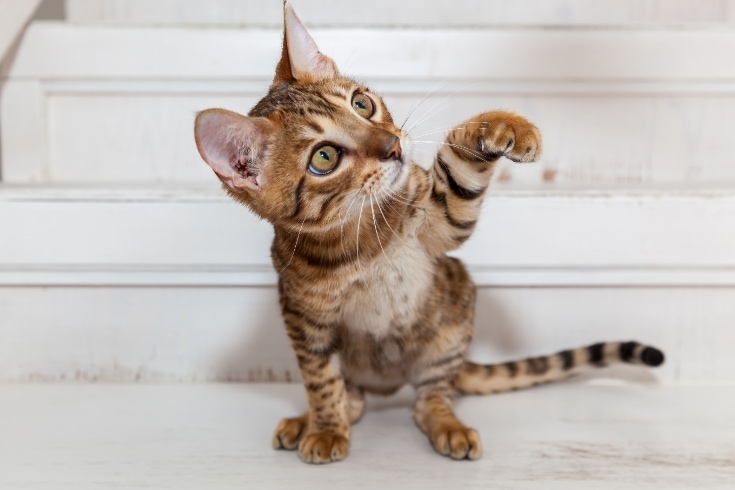
Before diving into specific colors, it’s important to understand the two primary patterns found in Bengal cats. These patterns form the foundation upon which various colors are displayed.
Spotted Pattern
The spotted pattern is what most people immediately associate with Bengal cats. These spots can vary significantly in size, shape, and arrangement:
● Single spots: Clean, distinct spots distributed across the coat
● Rosettes: Spots with a darker outline surrounding a lighter center, resembling a donut or paw print
● Clustered rosettes: Multiple spots grouped, creating complex rosette formations
● Arrowhead spots: Triangular-shaped markings pointing toward the cat’s rear
The quality of spotting is essential in show-quality Bengals, with distinct, clear patterns being highly prized. The contrast between the spot color and the background coat color enhances the visual impact of these markings.
Marbled Pattern
The marbled Bengal displays swirling patterns rather than distinct spots. This pattern features flowing, horizontal lines that create a marble-like appearance across the cat’s body. Marbled Bengals exhibit:
● Dramatic contrast between pattern colors and background
● Flowing, horizontal pattern orientation
● Random pattern with no circular bullseye formations
● Butterfly patterns over the shoulders
● Oyster patterns along the sides
While less common than spotted Bengals, marbled patterns are equally stunning and recognized in cat shows worldwide.
Popular Bengal Cat Colors
Now that we understand the underlying patterns, let’s explore the most popular and sought-after Bengal cat colors that showcase these distinctive markings.
Brown (Black) Bengal
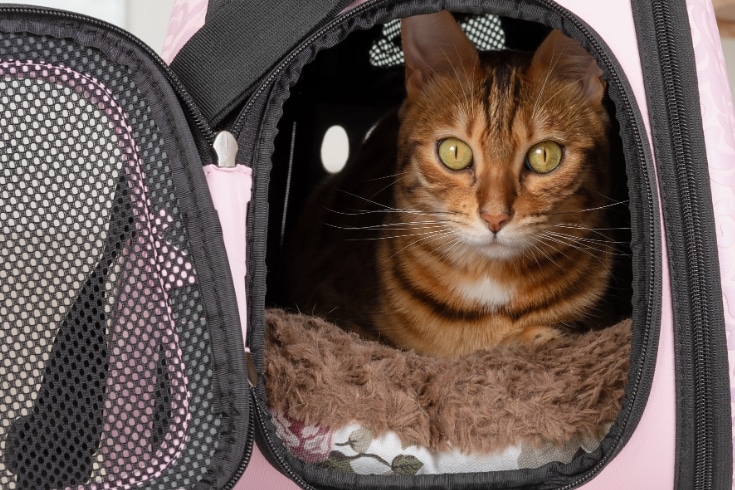
The brown Bengal is the classic and most recognized color variation. These cats exhibit the traditional wild coloration that most closely resembles that of their Asian leopard cat ancestors.
Characteristics of brown Bengals include:
- A warm, golden to light brown background color
- Black or dark brown markings forming spots or marbles
- Black-tipped tail
- Black liner around the eyes resembling “mascara”
- Brick-red nose leather
- White or cream belly
The brown Bengal represents the original vision for the breed and remains extremely popular among enthusiasts. The rich contrast between the golden background and dark markings creates the striking wild appearance that draws many to the breed.
Silver Bengal
Silver Bengals emerged later in the breed’s development and have become increasingly popular for their dramatic appearance. Their distinctive look comes from the inhibitor gene, which suppresses pigment development in the hair shaft.
Silver Bengals feature:
● Cool, silver-white background color
● Black or dark gray spots or marbling
● High contrast between background and pattern
● Often green or gold eyes
● Pink or brick nose leather
The silver coat provides an extraordinary canvas for the Bengal’s distinctive markings, creating a high-contrast, almost black-and-white appearance that many find irresistible. Silver Bengals often appear to glitter in certain lighting, enhancing their exotic appeal.
Snow Bengal
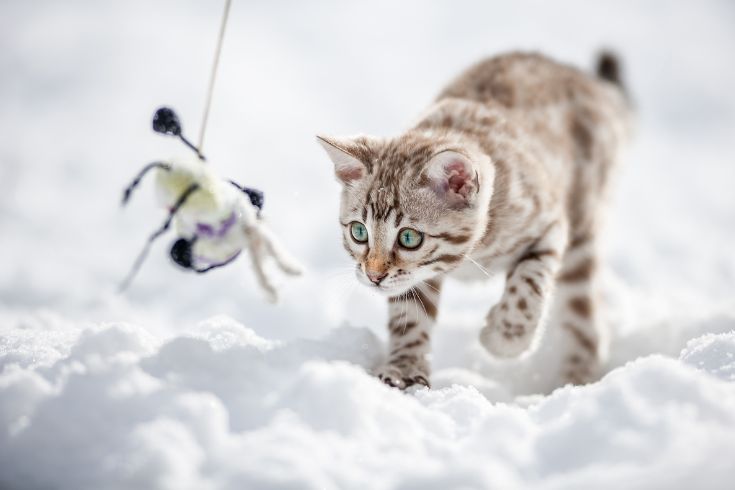
Snow Bengals represent some of the most distinctive color variations and come in three primary types, all resulting from various combinations of colorpoint genes. These cats maintain the wild Bengal pattern but on a significantly lighter background.
Seal Lynx Point (Snowy Spotted/Marble)
The Seal Lynx Point Bengal features:
● Cream to light tan background
● Light to medium brown markings
● Blue eyes
● Pink nose leather with a dark outline
These Bengals exhibit temperature-sensitive coloration, with cooler body parts developing darker markings, similar to those of Siamese cats.
Seal Mink Bengal
The Seal Mink Bengal shows:
● Ivory to tan background
● Medium to dark brown markings
● Aqua to blue-green eyes
● Pink nose leather with a dark outline
Mink Bengals typically have more color contrast than Lynx Points but less than Sepia Bengals.
Seal Sepia Bengal
The Seal Sepia Bengal displays:
● Cream to tan background
● Dark brown to almost black markings
● Green to gold eyes
● Dark nose leather
Of the snow variations, Sepias typically show the highest contrast between background and pattern colors.
All snow Bengal variations retain the distinctive wild patterning but display it on a lighter canvas, creating a unique and eye-catching appearance.
Blue Bengal

Blue Bengals represent a dilute version of the brown Bengal, where the black pigment is modified to appear blue-gray instead.
Blue Bengals feature:
● Light gray to blue-gray background
● Steel blue to slate gray markings
● Slate gray nose leather
● Tail tip in matching blue-gray
● Green or gold eyes
The blue coloration creates a softer, more subtle appearance while maintaining the beautiful Bengal pattern. These cats often have a powdery look to their coat that many find appealing.
Charcoal Bengal
Charcoal is a pattern modifier rather than a separate color, but it creates such a distinctive look that many consider it a unique variation. This genetic trait dramatically increases the contrast in the cat’s pattern.
Charcoal Bengals show:
● Mask of dark coloration extending from the eyes to the bridge of the nose
● “Zorro cape” of darker fur across the shoulders and back
● Dramatically dark pattern against the background color
● Can appear in brown, silver, or snow variations
The charcoal effect creates an intensely wild appearance that many Bengal enthusiasts adore. These cats often resemble their wild ancestors more closely than other color variations.
Rare Bengal Cat Colors

Beyond the more common colors, several rare Bengal color variations have emerged through selective breeding programs. These unique colors fetch premium prices and continue to gain popularity.
Melanistic Bengal
Melanistic Bengals appear almost entirely black but still retain their spots or marble pattern, which is visible in certain lighting conditions. This “ghost spotting” creates an intriguing effect where the pattern appears to emerge and then disappear as the cat moves.
These dramatic cats feature:
● Rich, deep black background color
● A slightly darker black pattern is visible in bright light
● Green or gold eyes
● Black nose leather and paw pads
While not currently recognized for championship status in most cat associations, melanistic Bengals have a growing following among enthusiasts who appreciate their mysterious appearance.
Blue-Eyed Snow Bengal
While snow Bengals typically have blue eyes, certain blue-eyed variations with exceptionally bright, sapphire-blue eyes are particularly sought after. These cats combine the light coat of snow Bengals with strikingly intense blue eye color, creating a mesmerizing appearance.
Chocolate Bengal
Chocolate Bengals display a warm, rich brown variation that differs from the standard brown Bengal. Their markings appear more chocolate or sable rather than black or dark brown.
Chocolate Bengals show:
● Warm ivory to tan background
● Chocolate brown markings instead of black
● Chocolate-colored nose leather
● Often cinnamon-tinted whiskers
These cats have a softer, warmer look than traditional brown Bengals while maintaining the wild pattern that defines the breed.
Cinnamon Bengal

One of the newest and rarest color variations, cinnamon Bengals exhibit a lighter brown hue than chocolate Bengals.
Cinnamon Bengals feature:
● Warm ivory to light tan background
● Reddish-brown or cinnamon-colored markings
● Pink to light cinnamon nose leather
● Cinnamon whiskers and paw pads
This warm, rich coloration offers yet another stunning variation on the Bengal pattern and is highly sought after by collectors and breeders.
The Glitter Factor in Bengal Cats
One distinctive feature that can appear in any Bengal color is the “glitter” effect. This unique characteristic makes the coat appear to sparkle or shimmer in the light, adding another dimension to the cat’s beauty.
Glitter appears as:
● Hollow hair shafts that reflect light
● The sparkling effect is visible primarily in natural light
● Gold or pearl variations depending on the base coat color
Not all Bengals possess the glitter gene, making those that do even more special. This trait can appear in any color variation and adds significant value to show cats.
Choosing a Bengal Based on Color and Pattern
When selecting a Bengal cat, color and pattern preferences are often a primary consideration. However, potential owners should remember that personality and health should always take precedence over appearance.
That said, there are some considerations related to color:
Show Quality vs. Pet Quality
Show-quality Bengals typically display:
- Exceptional pattern clarity
- High contrast between the background and markings
- Proper color for their variety
- Distinctive head and body type
- Good pattern flow across the body
Pet-quality Bengals may have slightly less defined patterns or lower contrast, but make equally wonderful companions. For those not interested in cat shows, these cats often come at a more accessible price point while still displaying the beautiful Bengal appearance.
Color and Pattern Development
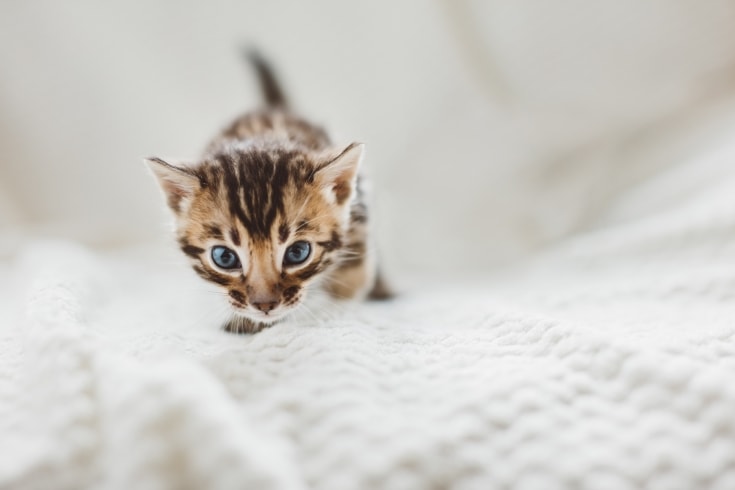
Bengal kittens often appear significantly different from their adult selves. Patterns typically become more defined, and colors more intense, as the cat matures. When selecting a kitten, understanding how colors develop can help set appropriate expectations:
● Brown Bengal kittens often have a smoky appearance that clears to rich gold as they mature
● Snow Bengal kittens may be nearly white at birth, developing their patterns over several months
● Contrast typically increases with age
● Pattern definition generally improves during the first year
Many reputable breeders keep photos of their cats from kittenhood to adulthood to show potential owners how their cats develop over time.
Beyond Color: The Bengal Personality
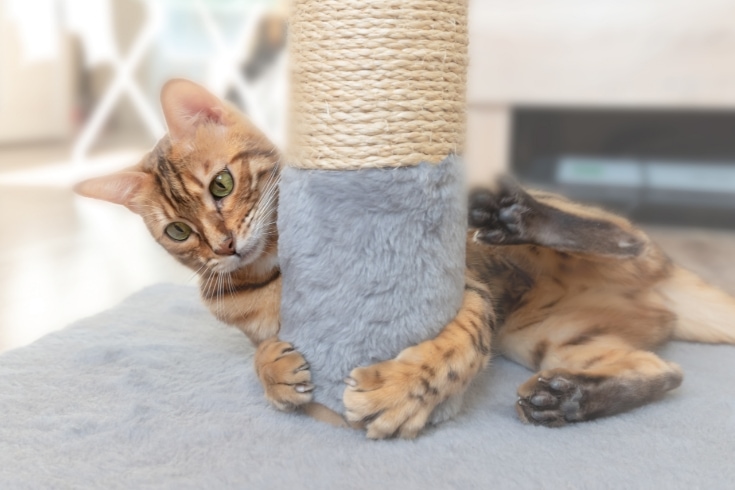
While Bengal cat colors and patterns draw initial attention, their personality is what truly makes them special companions. These active, intelligent cats bring joy and excitement to any household fortunate enough to welcome them.
Bengal cats typically display:
● High intelligence and problem-solving abilities
● Strong bond with their human family
● Playful nature continues into adulthood
● Fascination with water
● Athletic ability and love of climbing
● Vocal communication with distinctive sounds
No matter which color variation catches your eye, the engaging personality of the Bengal breed remains consistent across all color lines.
Final Thoughts
The diversity of Bengal cat colors and patterns offers something to appeal to every cat enthusiast. From the classic brown Bengal with its wild appearance to the striking silver and rare cinnamon variations, each color showcases the distinctive patterns that make this breed so captivating.
When choosing a Bengal, consider which colors and patterns resonate with you, but remember that the playful and intelligent personality comes standard with every color variation. Whether you prefer the high-contrast look of a silver or charcoal Bengal or the more subtle beauty of a blue or chocolate, these remarkable cats bring both beauty and joy to their lucky owners.
As the Bengal breed continues to develop, we may see even more color variations emerge, further expanding the palette of possibilities for this extraordinary feline. For now, the wide range of established colors ensures that a perfect Bengal cat is waiting for every admirer of these magnificent domestic leopards.
About Author